What are children’s rights?
Children’s rights are the rights of every person under the age of 18. They are enshrined worldwide in the United Nations Convention on the Rights of the Child (UNCRC), which was adopted by the UN General Assembly in 1989 and ratified by almost all countries in the world.
The Convention on the Rights of the Child (CRC) sets out the rights that must be realized for children to develop to their full potential. They can be divided into three main categories: provision rights, protection rights and participation rights. In addition to defining the child, children’s rights affirm that every child is entitled to all human rights. The signatory state is subject to the obligation to do everything in their power to protect and realize children’s rights and to give priority to the best interests of the child in all political actions and decisions.
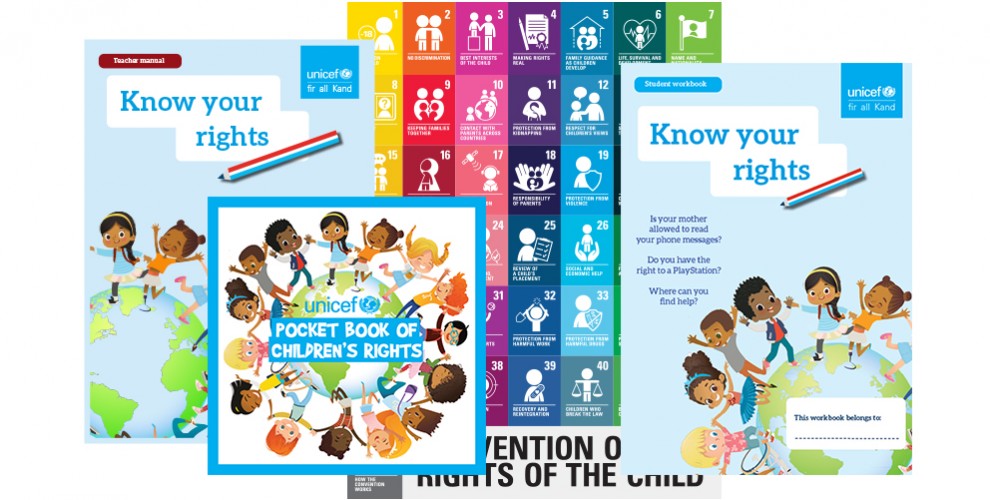
The UN Convention on the Rights of the Child
The CRC is the most important international human rights instrument for children. With the shared understanding that children need special protection, the Convention was adopted by the UN General Assembly on November 20, 1989. Except for the USA, all UN member states (including Luxembourg) have ratified the Convention on the Rights of the Child.
The Convention on the Rights of the Child consists of 54 articles that describe what children are entitled to and how they must be protected.

The child right situation in Luxembourg
Luxembourg ratified the UN Convention on the Rights of the Child by law on December 21, 1994.
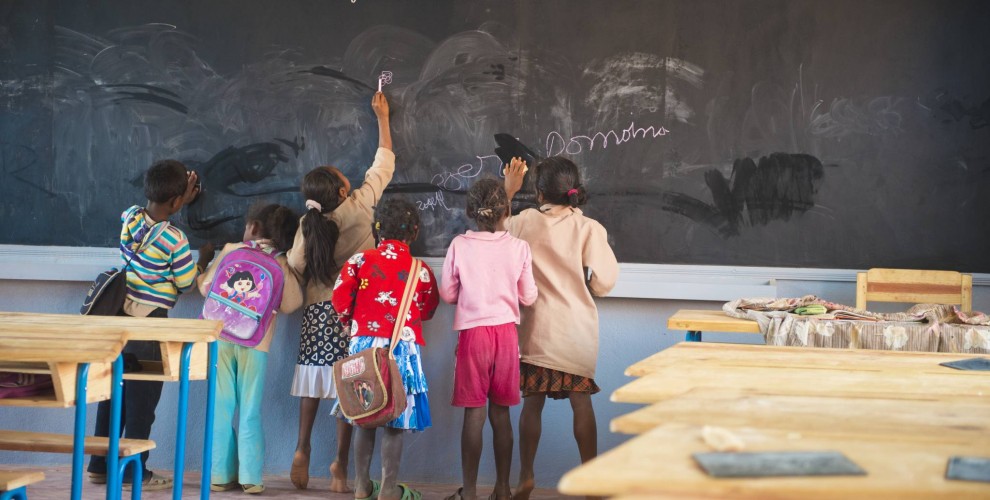
Nevertheless, socioeconomic status remains an important factor in a child’s health status, education and life satisfaction (standard of living) in Luxembourg. The resulting inequalities affect children’s rights and prevent children from adequately developing and limit their prospects. According to the latest assessment published by the UNICEF Innocenti Research Centre in June 2017, 1 in 5 children in the Global North live in relative income poverty and 1 in 8 suffer from food insecurity. Luxembourg ranks 14th out of 41 countries on all inequality criteria.
In addition, violence is present in the daily lives of many children in Luxembourg. In 2015, 168 cases out of 802 police interventions involved victims of domestic violence who were minors. In addition, 15% of women in the Grand Duchy report of having experienced some form of sexual violence before the age of 15, perpetrated by an adult.